Friday, February 10, 2017

In the Halls of the Mountain King

In the Halls of the Mountain King

A dwarf is a creature of obligation. They are defined by their oaths.

Dwarven oaths are made to their clan. The clan is the center of a dwarf's life. An individual dwarf is nothing; the clan is everything.

Dwarf adventurers are those unbound by oaths, either because they are oath breakers or they no longer have a clan to swear oaths to. Both states are equally pitiable. Other dwarves call them "petty dwarves" because of this.

If a petty-dwarf has broken an oath, he is reduced to being a simple merchant. He can sell the least trinkets a dwarf-hold turns out--the rejected scrap and apprentice's mistakes--for whatever he can get for them. This is why most humans think of dwarves as being petty-dwarves. They've never had the opportunity to see a real dwarf pursuing his true art.

Exception: The other type of dwarf you might see outside of dwarf-holds are dunter. They are upholding the oath of vengeance until they die. You see them around sometimes, trying desperately to die. They'll be discussed in another post.


Humans who glimpse dwarf-holds sometimes report that there are several "races" of dwarves. This is not true. Dwarves are separated into different castes based on their obligations to the clan. Humans might think of these as "professions," but that's fairly antithetical to the dwarf mindset.

Some biologists believe that an individual ant isn't a discrete creature. Rather, the colony is the animal, made up of several thousand parts. Or perhaps consider the Portuguese man o' war, which looks like a single jellyfish, but is in fact a segmented colonial organism like some sort of polyp Voltron.

Dwarves think about the clan in the same way. The clan is the creature. Each caste performs one of the clan's essential functions. In a basic way, each caste produces a different type of craft, but a dwarf would never think about this as his "profession." It is his duty.

Castes aren't hereditary and they're not stratified. All castes are equally important to the success of a clan. A young dwarf (called a beardling) chooses which caste to join based on his talents, predilections, and clan needs.

However, once a caste is joined and oaths are made, it physically affects the beardling. The beardling "grows" into the caste. His caste is reflected in his appearance and temperament.

There are seven castes. Each has a different name, and each produces a different dwarf-craft.


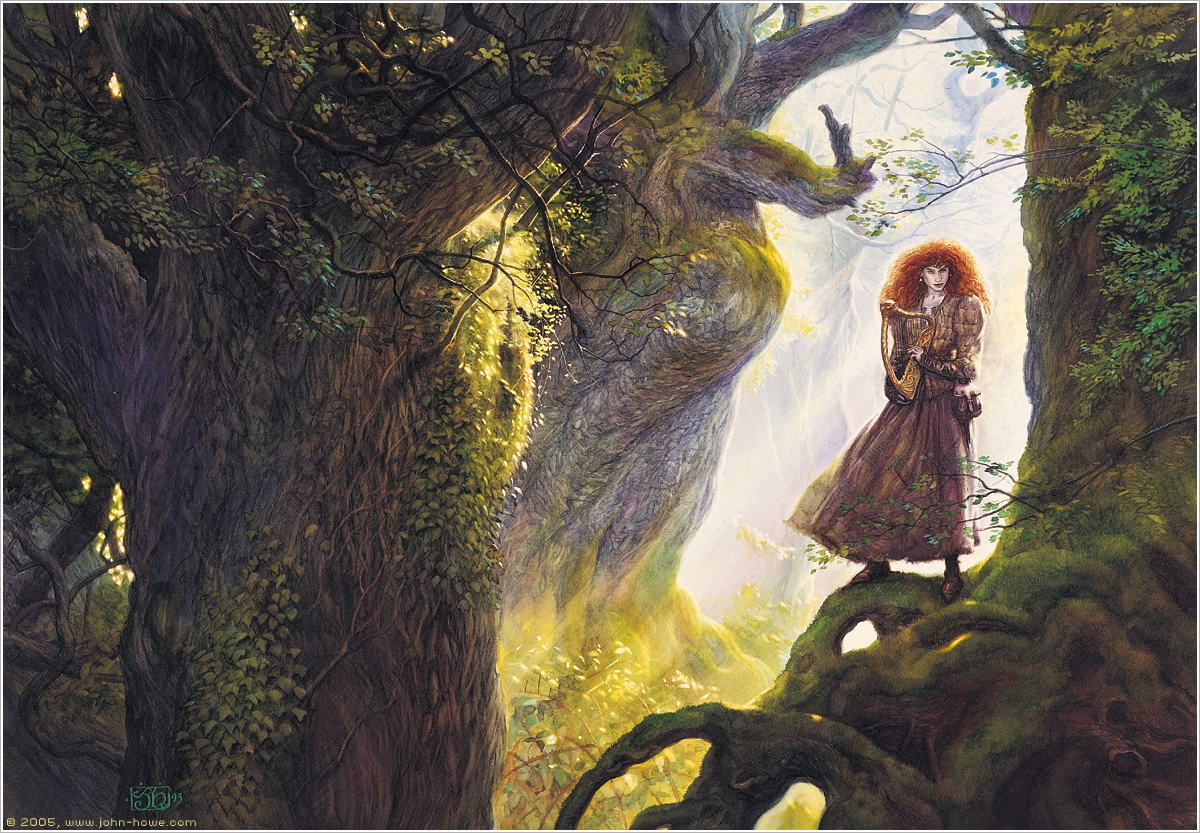
There are the Clurichaun, who brew. Clurichaun are rather tall for dwarves (most scraping the lower-end of 5'). Their cheeks and large noses are ruddy with drink, and their hair is fiery red.

There are the Coblynau, who are the masons. Their skin is milky white and their hair is an outrageous blue-black. Their eyes reflect light like a cat's.

There are the Duergar, who are the smiths. Duergar skin and hair are coal-black. Their eyes are bright red like coals.

There are the Hobs, who do the weaving. Hobs have brown, leathery skin and brown, curly hair. Their hands and feet are notably large. Hobs are the shortest of the dwarf castes, being something in the neighborhood of 3'.

There are the Knockers, who cut gems. Their skin is brown and wizened and very wrinkled. Their hair is snow white.

There are the Korrigans, who are the carpenters.They have goat-like ears, long noses, and never comb their wiry blonde beards.

And finally, there are the Dwarrow, who create laws. (Yeah, dwarves think about laws as being constructions, like castles or something. They're basically the dwarven rulers, but dwarves wouldn't characterize it like that.) Dwarrows have grey, stone-like skin, white hair, and eyes that resemble gems.


Where are the Dwarf-Wives?

Where are all the lady dwarves? The clerics and natural-philosophers among mortal men sometimes ask this question. Here are some theories; some of them might be true.
  • Dwarf women are so rare that they are treasured more highly than mithryl and gold. They are kept deep in the holds so that no harm will come to them and the dwarf race can be prolonged. 
  • Dwarves are not born, but crafted. The secrets of golems began with the dwarves and perfected by dwarves. Like Pygmalion, they bring forth life from stone. 
  • Dwarves were discovered deep under the earth by their creator-god. Every dwarf who dies is one less dwarf in the world. 
  • Dwarves don't have women, so they have to steal babies. Don't let a dwarf into your steading, or they'll steal your children and leave behind a little stone and wood poppet! 
  • The ones with the beards? Those are the women, you idiot.


Some Basic Stats

For true dwarves, use hit points, saving throws, experience points, etc. as a cleric.

Dwarves can make a number of magic items based on their level.


Level Number of Magic Items
1 2
2 3
3 4
4 5
5 6
6 7
7 8
8 9
9 11
10 13
11 15
12 17
13 19
14 21
15 24
16 25
17 26
18 27
19 28
20 30


Dwimmercraft

But Fëanor spoke then, and cried bitterly: 'For the less even as for the greater there is some deed that he may accomplish but once only; and in that deed his heart shall rest.'

Dwarves practice a type of magic called dwimmercraft. They distinguish dwimmercraft from a sorcerer's magic by saying that a sorcerer "steals" his magic, but a dwarf's magic is derived from his excellence. A dwimmer is a particular expression of magic (analogous to a spell). 

(Etymological note: Dwimmer is the Old English word meaning 'witchcraft,' which derives from the Old Norse term dvergmál literally meaning 'dwarf talk' (dvergr dwarf + mál talk) or 'echoes.')

A dwarf begins the game with two magic items that he has made. As he levels up, he has the opportunity to craft more magic items. 

Dwarves refer to "inspiration" when it comes to this craft. A dwarf can create many excellent things, but a fit of true inspiration only comes a few times in a lifetime.

A dwarf need not create a magic item as soon as he levels up. He can do it at any point that he chooses, assuming crafting such an item won't raise his total number of magic items beyond the max allowed by his level, he has time, and he can afford the resources needed.

Creating a new magic item requires 4d6 days and costs 100 gold per day of work in material resources. When a dwarf player begins crafting a new magic item, he tells the GM how many days he intends to work. The GM secretly determines the length of time that is required to craft that magic item. If the dwarf spends too little time, the gold is wasted and he must start over from the beginning. (This wasted effort does not count towards his magic item total, though.)

Instead of making a brand new magic item, dwarves may elect to improve or reforge an existing item with new dwimmers. This improves the utility of the item, but also makes the item more precious and the loss the greater if he should lose it.

Remember, a dwarf has a total of magic items he can create in his lifetime, so every item lost is something precious to him. This is why tales of a dwarf's vengeance against thieves are so renowned.


Spear shall be shaken, shield be splintered

I think no discussion of dwarves would be complete if we didn't mention rules for breaking and repairing items. 

Shields and helms can be sundered and reduce an attack's damage to 0, per Trollsmyth's Shields Shall Be Splintered. 

Weapons can be notched (reducing the damage type by 1) if you elect to deal a savage blow with the weapon. Savage blows attack Blood directly, bypassing Sweat. You have to elect to do a savage blow before you roll the dice and see the result. So, yes, you can notch your weapon and still miss. 

Any dwarf (even if he's not particularly skilled with the materials involved) can repair a notched weapon by one dice step if they have a tinker's kit and a Turn. 

Castes and Crafts

Each caste of dwarf practices a different "school" of dwimmercraft. Each caste can only make magic items of a particular construction, e.g., Korrigans must make wooden items, Hobs must make woven items, etc. Each caste has ten dwimmers they can shape into their crafts. A dwarf knows each of the dwimmers of his caste.


Brewing, the Arts of the Clurichaun

Clurichaun are unique (well, except for the Dwarrow, sorta) in that they don't create permanent crafts. Rather, Clurichaun's dwimmers are written into their recipes. 

Each recipe is essentially a magical formula. A clurichaun can brew each recipe known once per day, and it takes one Turn to prepare the brews for the day. If the brew is something, like, a beer that would normally take months to ferment, assume the recipe "puts the finishing touches" on an already-brewed beer. It turns wine into mulled wine, or something. Consuming a brew (food, drink, whatever) uses the same rules as drinking a potion.


A clurichaun can use his magic item allotments to learn the same recipe twice if he so chooses. A clurichaun can combine two dwimmers into a single recipe, as normal.

Example Crafts: Recipes for stews, rat jerky, beers, ales, wines, meads, hooches, hard breads, goat cheeses, fried rats, etc.

Dragon's Breath
When this dwimmer-food is consumed, the dwarf's belly fills with noxious gases that ignite when exposed to air. The round after the dwimmer is consumed, you can breathe a 30' cone of fire that deals 1d6 damage + 1 per brewer's level.
Every round, roll a d4 to recharge this power. If you roll a 1, you must breathe the cone of fire or take the damage directly to your Blood.
This dwimmer lasts until the encounter 
is over. 

Drunken Courage
You become kind of drunk, but brave. You are at disadvantage to Dexterity saving throws, but automatically succeed on Wisdom, Intelligence, and Charisma saving throws. You are immune to mind altering effects: fear, charm, etc. 
This dwimmer lasts until the encounter is over.

Giant's Form
You and your gear grow to the size of a giant. Strength checks and Strength saves are made with advantage. You do double damage while making melee/missile attacks. 
This dwimmer lasts until the encounter is over.

Healthsome 
You gain 1 hit point at the beginning of your turn. Sweat is refilled first, then Blood. 
This dwimmer lasts for 10 + Constitution modifier rounds. 

Ironskin 
You gain damage reduction 2 as your skin hardens into iron. Because your skin is iron, which is anti-magic, you gain advantage on all saving throws against magic. Your movement is reduced by -15 feet. 
This dwimmer lasts until the encounter is over.

Purge 
If you are under any physical effects (potion, poison, disease, etc.) you immediately retch and puke them all out. This includes all dwimmers delivered by clurichaun's brewing. 
If you are not currently under such effects, this dwimmer will remain inactive until you're first exposed to one. 
This dwimmer lasts until it is used, or until you sleep, whichever comes first.

Quickening
Your body quickens with a burst of supernatural speed. You can perform an extra standard action per turn. 
Roll a d4 every turn after the first turn you gain this dwimmer. If you roll a 1, this effect ends and you lose your turn as your body readjusts to normal speed. On a 2-4, you continue to act as if quickened. 

Stentorious 
Your voice becomes very loud, and you're easily heard by an entire hall or cavern. Henchmen automatically succeed in morale checks if they are within 30' of you.
Allies that can hear you make saving throws against fear with advantage. 
If you spend your turn speaking encouraging words to an ally that can hear you, you can make a Charisma check with advantage. The results of this check can be used in place of any saving throw that ally is making. 
This dwimmer lasts until the encounter is over.

Smoke Drinking
You no longer need to breathe air. However, if you choose, you can drink in a gas you are immersed in with no ill effects. If you do this, you can belch it out as a 10 x 10 square of gas at any later time, or until you sleep, whichever comes first. 
Otherwise, this dwimmer lasts until the encounter is over. 

Warp Spasm
You fly into a fit of berserk rage. You cannot take any defensive, helpful, or curative actions. You can only try to kill your enemies. You will do this until all of your enemies are slain or driven off. If an ally damages you during this combat, they count as an enemy.
Every time you take the attack action, you roll once and apply it against every adjacent enemy.
You will not stop fighting, even when gravely injured. You automatically succeed on all Tears rolls to stay conscious, but take 1 Blood damage as normal. Your Tears dice automatically drops to the next step after this encounter is over. 
This dwimmer will last until the encounter is over.

Analysis So far
I don't think people who say classic fantasy is overwrought and boring are wrong. I just like it. I like it like I like folk music. It might be garbage, but it's sweet garbage. I like this garbage. 

I like making fantasy races feel more like their folklore inspirations than just rehashing Tolkien directly. I like riffing with Tolkien, not riffing from Tolkien sometimes. 

Most of all, I like actually giving rules to what has been an essential part of dwarfyness since their inception: magic items. How has this never been a core feature of their race before? How has it always been a piece of fluff, almost never a piece of crunch? 

Other arts of dwimmer-craft and other castes of dwarves will be discussed in subsequent posts. This is getting too long. 

Monday, February 6, 2017

Race as Class

One of the divisive bellwethers of old school gaming is the "race as a class" concept. You can be a human fighter, a human thief, a human wizard, but you can also be a ... "dwarf"? A dwarf what? Can a dwarf not learn thief skills? Not learn magic? Why? What's his occupation? What's his day job? What does he do besides dwarf about?

I've had a hard time crystalizing my real feelings about this issue. Sometimes racial classes have felt unnaturally restrictive, or at least inconsistent. Sometimes racial classes have felt like a way to ensure a sense of otherness for demihumans, or seems to be an elegant way to handle monsters as PCs.

Race as a class also seems consistent with the source material. In the Lord of the Rings, Frodo's most enduring and relevant feature was his hobbit-ness. I'm not sure what his occupation was. Gentry? Land-owner? I would struggle to put anybody in the Fellowship besides Gandalf into a D&D-like class.

Anyway, what if "elf" and "dwarf" were occupations? What if they were titles used for people with a particular skill set?

Elf
Elves are enchanting. They weave enchantment.
Elves are terrific. They beget terror.
The thing about words is that meanings can twist just like a snake, and if you want to find snakes look for them behind words that have changed their meaning.
No one ever said elves are nice.
Elves are bad.

- Terry Pratchet

Beyond the fields we know lie the forests of Elfland. The border between these two worlds is mercurial. Like the tides, it sometimes rushes forwards, and sometimes falls back. Creatures that live close to the border are changed by the experience. Deer give birth to silver white fawns. Owls eyes seem to glow with lamplight. Trees grow watchful and whispery. Things become weird.

So, too, do mortal men.


Humans who live near the borders of Elfland grow as strange as the faerie that make their homes there. They gain an otherworldly appearance--their ears taper to a point, their eyes flash with the colors of beautiful gems, their voices grow melodious as bells. Magic grows inside of them, too. Spells stumble spontaneously out of their lips. Their senses are sharp. Their minds are strange.

Elves call themselves "Elfland Rangers." They patrol the border spaces and make sure that the settlements of mortal men are safe from the faerie-touched beasts and marauding fey that might wander over the border. Trolls and redcaps are stayed off by their vigilance.

Most folk simply call these rangers "elves" as a convenient term. But do not think that an elf is a true denizen of Elfland. There are things more awful and awesome at the heart of that curious country.

Dwarves
"The wealth of Moria was not in gold or jewels, the toys of the Dwarves; nor in iron, their servant.... Its worth was ten times that of gold, and now it is beyond price; for little is left above ground, and even the Orcs dare not delve here for it."

A pound of mithryl is worth twice a pound of platinum, but no kingdom mints mithryl coins. It is far too useful to be used in such a manner. Only mithryl arms and armor can hold an enchantment. Only mithryl is free from the touch of iron and, thus, wieldable by sorcerers and their ilk. Only mithryl can be used as ink that can trap spells in grimoires.

However, mithryl in its raw form is dangerous. It's mystical aura is radioactive. Silver miners sometimes go mad from the silver fumes. Coal miners suffer debilitating diseases of the lung. Mithryl miners are warped and twisted into ugly, loathsome little men. Their backs bent low by their labors, their skin rough and wrinkled, their noses engorged, their ears giant and round, these miners trade their youth and comeliness for the gift of gold.


Mithryl mining rights are exclusively controlled by the Stalwart Company of Delvers. This guild has its own idiosyncrasies and incestuous culture. The Delvers spend so long down in the mines, they develop their own slang forms of Common. When not mining, they are notorious drunks and brawlers. However, their mining skills serve them well in many capacities. They're skilled fighters, having often to defend their veins against deep-dwelling monsters. They're cunning in engineering and stonework. Some even claim to be able to "smell" gold.

The word "dwarf" is a derogatory term. If one of the Delvers hears such a term used in his presence, you can expect a fight.

Halflings
'My men went on and presently met the Lotus-Eaters, nor did these Lotus-Eaters have any thoughts of destroying our companions, but they only gave them lotus to taste of. But any of them who ate the honey-sweet fruit of lotus was unwilling to take any message back, or to go away, but they wanted to stay there with the lotus-eating people, feeding on lotus, and forget the way home.' 

When you were young, your mother told you that smoking pipeweed would stunt your growth. You did it a couple of times, and it was fun, and you were fine. But then you got your apprenticeship, and you grew up, and you stopped that nonsense. Well, you did, but Patrick from your village didn't. He stayed on the pipeweed. He did stay short. In fact, he looks sort of like a little kid. You heard he joined those crazy hole-dwelling hippies.


The Holbytla, or halflings as they're more commonly called, is a agriculture-based mystery cult defined by their ritualized use of pipe-weed. Frequent exposure to pipe-weed has resulted in a mutated, child-like appearance in its membership. The Holbytla don't mind this. They say the pipe-weed teaches them to be gentle and innocent as children. Well, they say a lot of things.

Ideally, the Holbytla prefer to isolate themselves from society. They teach agrarian values based on a mythical golden age past, where a stratified farming-based economy actually worked out and was fair and fun. They live close to the land. Really close. In fact, they dig holes into hills and live there.

Most of a Holbytla cultist's days are spent farming, but they are noted hedonists. Obviously, ritualized pipe-weed smoking features prominently. Weekly feasting is also a prominent part of their religious practices. Drinking to excess? You betcha.

The result is a most curious mix of religious adherents. Knowledgeable in woodcraft and naturalism, but small and constantly high, halfling adventurers are a curious lot.

Analysis
Yeah, I'd probably never use this in a real game, but I think it's sort of an interesting thought experiment. From a folklore perspective, humans transforming into otherworld creatures is entirely precedented. Rationalism and a firm understanding of genetics never really entered into any of the Brother's Grimm stories. Fafnir turned from a dwarf into a dragon via greed. Guests of the Erl-king ride from his halls and discover the world much changed, and they now must ride forever on their hunting horses or crumble to dust. I find the aspects of transformation more compelling than these particular takes.

Tuesday, January 31, 2017

The Devout, an OSR class stolen from somebody else and written down by me here so I don't forget it

I know I got the core of this idea from some forum, but that thread seems long gone and I didn't want to forget it because it seems like it has merit. So, kudos to you, anonymous poster. You got a good brainworm in my headmeat.

The quotes below are all from Lord Dunsany's The Gods of Pegāna, because I have been making a concerted effort to read through Appendix N.

The Devout

The Devout has saving throws, hit dice, etc. etc. as a cleric.
The Devout does not cast spells.

A Devout has a pool of Faith equal to his level. Faith points may be spent in the following ways.
  • Lay on hands and expend a Faith point to heal 1d6 hp
  • Verbally castigate an enemy while you're smiting them and spend a Faith point to deal +1d6 damage; deal an additional +1d6 damage if your enemy is a favored foe of your cult
  • Drop to your knees and beg your god for aid. Spend a Faith point and roll a d6. If you roll a 5 or 6, you can perform one of the miracles of your god. If you fail, your Faith is wasted. 
Miracles are dependent on your god's sphere of influence. Each god has a portfolio of spells (10 or so) that they can use to influence the Plane of Flesh when their devotees call out to them. The GM determines which spell from the god's portfolio is cast based on the Devout's request and the situation. The GM will choose the best spell available, using his position as a game participant with privileged access. For example, if the Devout prays for healing in a combat against a wraith, but the GM knows the wraith could be instantly destroyed with a judicious application of the Banishment spell, the GM might rule that the god would rather Banish the wraith than heal the Devout. Or, perhaps the god would cast Detect Magic and show the Devout that hidden in the room is a magical aura. The Devout, following the god's clue, uses a turn in the combat to search the location of the aura and discovers a sword of wraith slaying +3. Each god has a limited set of tools given their portfolio, but will use them with divine wisdom and understanding in the most efficacious way to aid their followers.

In my examples below, I've picked one school of magic to represent each god's miracle portfolio. Each school is taken from my favorite magical supplement, Wonder and Wickedness. This $10 supplement has given me dozens and dozens of cool ideas, really commands a great "tone" for magic, and is applicable no matter what game you're playing. It's well worth it. Go get it.

Recovering Faith
A Devout restores his Faith pool completely if he performs the appropriate rites and prayers when he rises from sleep in the morning.
A Devout regains 1 Faith point by taking a Turn to pray at his god's shrine or donating generously to his church.
When a Devout breaks one of his god's commandments, he loses Faith points commiserate to his crime.
When a Devout upholds one of his god's commandments, he gains 1 Faith point (or 2 Faith points if it was just over-the-top virtuous).


Choose a cult from the list below:


Cult of Kib, Sender of Life in all the Worlds
But the other gods said one to another, speaking with their hands: “What is it that Kib has done?”
And They said to Kib: “What are these things that move upon The Earth yet move not in circles like the Worlds, that regard like the Moon and yet they do not shine?”
And Kib said: “This is Life.”
But the gods said one to another: “If Kib has thus made beasts he will in time make Men, and will endanger the Secret of the gods.”
And Mung was jealous of the work of Kib, and sent down Death among the beasts, but could not stamp them out.

The Commandments of Kib

  • Do not end the life of man or beast. 
  • You cannot deny healing from those who ask for it.
  • Hold your teacher in the arts of healing equal to your parents. Provide aid to him and his family as you would your own.
  • Willingly take acolytes into your service and teach them the ways of Kib.
  • Do not administer a poison, nor suggest such a course. Similarly, do not give to a woman a pessary to cause abortion. 
  • Do not wield the knife or sword, as these are tools of death.

Favored foe: Undead
Miracles: Any spell from Vivimancy (W&W p.36)

Cult of Mung, Lord of all Deaths between Pegāna and the Rim
Once, as Mung went his way athwart the Earth and up and down its cities and across its plains, Mung came upon a man who was afraid when Mung said: “I am Mung!”
And Mung said: “Were the forty million years before thy coming intolerable to thee?”
And Mung said: “Not less tolerable to thee shall be the forty million years to come!”
Then Mung made against him the sign of Mung and the Life of the Man was fettered no longer with hands and feet.


The Commandments of Mung

  • Do not claim that you can influence Mung. Mung is Mung. Men cannot stop him with praises or curses. 
  • You cannot withhold death from those who ask for it.
  • When you lay an enemy low, cast lots to divine Mung's will as to whether he should live or die. 
  • Abstain from sex. It is better for mankind to end than to continue.
  • Never be without your dagger, so that you may always make the sign of Mung when needed. 
  • Never harm the dead. They are greater than you. 

Favored foe: Beastmen
Miracles: Any spell from Necromancy (W&W p.19)

Cult of Roon, God of Going
The footfall of Roon hath been heard at evening outside the houses of men, and thenceforth comfort and abiding know them no more. Before them stretcheth travel over all the lands, long miles, and never resting between their homes and their graves — and all at the bidding of Roon.

The Commandments of Roon

  • Discover new lands and build shrines to Roon in them. Map places never before mapped. 
  • You cannot deny your campfire to those who wish to share it. 
  • If you share your campfire, tell one of your stories. 
  • If you share your campfire, ask for a story. 
  • Do not stop or impede those on the road. Do not do battle on a road, for your blood will defile it.
  • You cannot lie if someone asks your true name. 

Favored Foe: Thieves
Miracles: Any spell from Translocation (W&W p.31)

Cult of Small Gods
These be the gods of the hearth: Pitsu, who stroketh the cat; Hobit who calms the dog; and Habaniah, the lord of glowing embers; and little Zumbiboo, the lord of dust; and old Gribaun, who sits in the heart of the fire to turn the wood to ash — all these be home gods, and live not in Pegāna and be lesser than Roon.

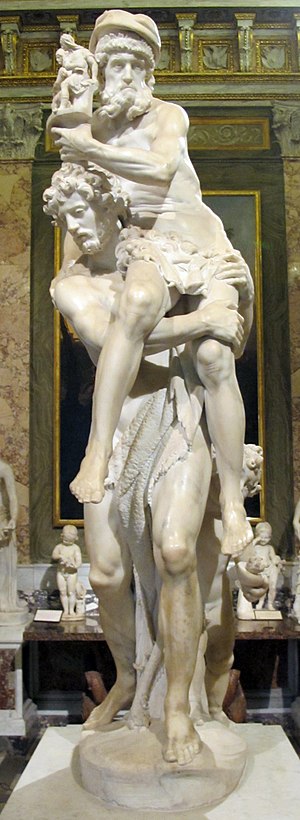
I love how Anchises literally carried his small gods. 
Commandments of the Small Gods
  • When you enter a house, provide what aid you can there.
  • You cannot deny food or shelter to those who ask for it. 
  • Burn incense at the shrine of small gods, so your prayers can be carried up to heaven.
  • Cook at the hearth, so the small gods can smell your food and be nourished.
  • Whip disobedient slaves and children. 
  • Give gifts to obedient slaves and children.
  • Have sex joyously and often, but never take it by force.
Favored foe: Clerics of other religions
Miracles: Any spell from Psychomancy (W&W p.24)


Analysis
I think having bullet point commandments that you can read and reread at the table is a great tool to center yourself as an actor. These are reminiscent of my religious touchstones.

I've always preferred "miracle" systems that differed meaningfully from a wizard's magic use. A magic-using class can probably accommodate a "white mage" that heals and deals with angels without it stepping on the toes of a faith-based character class. I think the utility of always having 10 "prepared spells" to be somewhat balanced by the inconsistent casting methods provided above. I also think that the GM  using his privileged information to be a clever way to represent a god's supernatural insight.

Obviously, this class requires some buy-in on the part of the player. If they like pouring over magic spell lists and carefully preparing their spells per day, this class will feel erratic and unsatisfactory.

Monday, January 30, 2017

Under Hill, By Water - Text Aggregated

I pulled all the rules from my past few posts about playing halflings and put them into a single document. It's kind of ugly without the art, but it'll do.


(Psst. I actually published a full version of this game. The post aggregate still exists, but check out the full version if you want something more clean and polished.)

Sunday, January 29, 2017

Under Hill, By Water Post 5: Halfling Problems

The Four Seasons

An agrarian society, the Commonwealth is close to the wheel of the seasons. A halfling's life is built around the change of the seasons, the lengthening of days, the ebb and flow of weather. That's why Under Hill, By Water separates game play into four seasons. Each season is basically a single act in the life of your halfling and their village--the GM presents a scenario of village life, which the PCs explore. Each session (or two) at the game table should deal with one season's scenario. Once the spring, summer, and autumn seasons have been played, the halflings will celebrate Yule during the winter season and reflect about their previous year. This might increase their rank.

You All Meet At The Inn


Each season begins with the PCs sharing a table at their favorite local tavern listening to rumors of what's going on in their village. The GM rolls a scenario (worrysome things + social calendar + personal complications + rumors) using the tables below and tells the PCs what's afoot during that season. 

Worrysome Things

The GM rolls once or chooses from the scenarios listed below. The GM can randomly assign the scenario to one of the PCs, or chose who it makes most sense for. 
  1. One family has stolen another's prize cow, Mabel. Mabel gives milk sweet as cream and always produces two healthy calves each spring. This isn't the first time this has happened; the two families are always stealing Mabel from each other. Roll to see which two families are involved. 
  2. Your crazy uncle came back from an adventure and is ruining the economy with gold. GOLD! Where did he get gold? He says "a dragon," but he's crazy. Anyway, convince him to stop using gold or else inflation is going to go through the roof.
  3. A actor's troupe has been circulating with an insufferably bawdy play called "The Milking Maid." The younger rascals like it, but the Matrons Guild of Good Manners objects. Things are about to get unpleasant.  
  4. A particularly large dire-badger has been digging into a random PC's hole and escaping. He's proving to be more than just a nuisance. You might have to hunt him down.
  5. A neighbor's garden has been pilfered in the night. Is the culprit a hare or a young radish-stealing rascal? The neighbor offers a substantial reward to resolve the situation. 
  6. Two young halfling sweethearts have eloped. Both sets of parents are offering a large reward if their marriage can be stopped and their child returned. However, your sweetheart believes in "true love" and wants to see the two married. What will you do? 
  7. A halfling child was last seen crawling through the Hedge. Night came and he never returned. The bounders are organizing a search party to go find him. Will you join them?
  8. A mysterious Big Folk ranger has been seen sniffing around the Hedges for the past few days, and has been chased off by the bounders. Who is he? What does he want? 
  9. Wolves have come down out of the mountains and their cries can be heard at night. The sheriff's office is giving a small reward for wolf pelts. 
  10. The game begins at a random PC's hole. They are finishing up dinner when there's a knock on the door. It's a dwarf, saying he was invited. You don't remember inviting any dwarfs. Then another knock. And another...
  11. A competition is being hosted during the upcoming social event and a local jerk won't shut up about how they're going to win it. (If unmarried, beating him might help you catch the eye of your sweetheart.) 
    1. It's a gardening competition and they have a huge pumpkin
    2. It's a stavin' competition and they want to knock you down
    3. It's an archery competition and they claim they're the best shot
    4. It's a beer pong competition and they say they're the local champion
  12. A neighbor's goats have gotten out of their pen and are running totally amok at the social event. Help him get them back! 
  13. A travelling conjurer named Lathspell shows up claiming to sell genuine magical artifacts. You suspect he's just a charlatan and is robbing decent halflings of their coin. 
  14. A particularly large gorcrow has been going around stealing people's jewelry. If you find his nest, you'll be able to get their jewelry back. 
  15. Supplies ordered from the Big Folk from Overwater have been delayed due to a troll on the road. Nobody is willing to leave the Hedge to deal with it, but anybody that could reclaim those supplies would be a local hero.
  16. A close relative or friend of a PC has been placed in a lockhole by a sherrif for sheep theft. He claims he's innocent. What's the real story here? 
  17. A wizard has come to town and started performing tricks for young halflings. Now 2d4 of them got big ideas about "adventures" and started getting themselves into trouble around the village (taking on boars, 'burgling' pies, exploring outside the Hedge). Round them all up and tell that wizard what you think of trouble-makers!
  18. You wrote your elderly aunt in a neighboring village a week ago and haven't yet received a reply. This is unlike her. Did the couriers lose her letter? Have you offended her? Investigation is necessary. 
  19. An elderly neighbor hasn't paid his taxes in years. A determined young new tax collector has been knocking on his door every day and asking the PCs if they've seen where he's gone. The PCs know he's just in hiding. Will they help their neighbor avoid the long arm of the law, or tattle to the tax man?
  20. It's a random PC's birthday. It's time for a party! (But what if unwelcome guests or petulent relatives show up?)

Social Calendar 

This trouble is happening in the middle of some important community event. What's happening in the village right now? 
  1. Bad weather (late and heavy snows if spring, thunderstorm if summer, dense and creeping fog if autumn)
  2. Village fair 
  3. Party hosted by random NPC
  4. Date of historical event (1. goblin battle, 2. village's founding, 3. birthday of important relative) being celebrated / reenacted 
  5. A curious visitor is visiting the village (1. family of dwarf tinkers 2. wandering wizard 3. troop of elven rangers 4. travelling human bard) 
  6. Market day
  7. March-moot (basically an election day/law-reading/grievance airing) 
  8. Holiday (May Day if spring, Lithe if summer, and Hallowe'en if autumn)

Just Another Day in the Village

The GM rolls once for each PC at the table. Reroll duplicates. 
  1. One of your more unpleasant relatives is visiting and staying with you at your hole. 
  2. One of your starting professional items has broken and you need to replace or repair it. 
  3. A particularly homely-looking suitor has been sniffing around recently. 
  4. Your parents are complaining that you're not living up to your full potential and wondering why you never visit them. 
  5. A mangy mutt has been sniffing around your garden, digging it up. 
  6. A younger relative has come to you crying about a local bully.
  7. A local puppeteer's most recent puppet looks a lot like you. You suspect this is insulting parody. 
  8. Last month you lost a debt on a chicken race to a particularly annoying neighbor and now they're asking for [2d4] copper from you. 
  9. You woke up this morning with a splitting hangover and no memory of coming back from the tavern. What happened?
  10. A distant great-uncle recently passed (sad), but left you a rare bottle of Greybodies '83 wine (nice!) from his cellar. 
  11. Your flowers are particularly beautiful right now. They'd make an excellent gift for somebody special. 
  12. A neighbor recently gave you a loaf of fresh baked bread and a tin of kippers. You'll have to send them a thank you note or present.

Other Rumors Heard Round the Hearth

Of course, these issues aren't the only thing going on in your march. The GM rolls on the rumor table to generate some buzz about other threads that can be followed. To keep the rolling quick and easy for rumors, two halfling family names are given at any point it's appropriate. The GM can roll or choose the most interesting one to fill that rumor. 
  1. Mr. [Topher / Wastenot] has been kicked out of his hole by his missus for coming home drunk one to many times. 
  2. Old Man [Tallfeller / Rumblo] has put up lots of signs about cutting through his fields. People say he's sitting up in a tree with a slingshot waiting to nail young rascals looking for a short cut. 
  3. Jack o' the Green was spotted outside the Hedge shepherding a dozen trees to a new section of the Deeping Woods.
  4. Young [Odo Labingi / Priscilla Lightfoot] claims they saw a troll digging up a grave for bones. 
  5. A dwarf visitor said he saw a giant playing nine-pins up in the mountains. 
  6. The town drunk said that at 3 am during the last full moon, all the farm animals danced for a full five minutes before returning to normal. 
  7. The Wild Hunt was heard blowing their horns as they rode by in the night, giving everybody nightmares. 
  8. Fairy circles have sprung up just outside the Hedge. 
  9. Elves were seen passing through the Vale on their way to the Grey Shores where they'll pass from this world forever. 
  10. Goody [Biggerwaiste / Chubber] just gave birth to her twelfth wee one, even though she's in her late 60s. 
  11. That rascal, the [Gaggler / Haywain] lad, was seen rolling in the hay with the [Measure / Nikkerbreaker] girl last community picnic. 
  12. Miss [However / Hogspen] recently ordered a dress from another march. What's wrong with the dresses from our own march?
  13. The beer at [rival village's tavern] is actually quite good this season. It might be worth a nip over to taste it, if your local landlord doesn't find out about your treachery. 
  14. After having watched a play behind the overlarge bonnet of Goody [Goldworthy / Greenhand], something must be done about wearing hats at functions. Would you care to sign this petition? 
  15. Another march (basically a foreign land) was visited by a circus who accidentally let their "trained" ape lose. It ran around and caused much mischief. Was it ever caught? 
  16. The dwarf king Throin the XIII (or was it XII?) recently died. The dwarves are in mourning. 
  17. Ealdorman [Diggle / Dumblebee] recently received a very bad haircut and refuses to leave his hole on account of it. 
  18. The Almanac says that tonight there will be a shower of shooting stars. Several families are staying up late to watch them. 
  19. A naturalist neighbor is taking a survey of the local flora of your village. For every unique flower you bring back, they've offered a small reward. 
  20. During the last rain, people say that they saw the River Woman swimming in the Water surrounded by an army of flying fish. 

Winter

Look at the total XP you earned during the spring, summer, and autumn. For every 3 XP you gained, gain 1 rank. Then, reset your XP count to 0 (regardless of whether or not you ranked up). 

Roll ([Profession rank]d10 x 10 copper) to find out how much coin your halfling made during his legitimate business enterprises during the year, + (1 silver x rank). Lessen this total if they made any in-character sales during game play. If your character owes anything to money lenders, calculate interest or pay that loan off. 


If you're happily  married, you get a new wee one on a roll of 4 out of 6. 


If you're unhappily married, you get a new wee one on a roll of 2 out of 6. 


If you're not married at all, you get a new wee one on a roll of 1 out of 6. This is a scandal. 


Talk about the things your character has achieved during that year. Share a pint with friends. Make new years resolutions. 


After you've completed a year of Under Hill, By Water, consider playing something else for a little while. After all, you just had three to five sessions of playing little farming folk. Maybe your table wants to do something else. Of course, you can always pick up the story again and continue a new year. You might also hold games of Under Hill, By Water as an alternative to your standard weekly game if not everybody is available. 


Alright. This was fun. I think this will be my last halfling related post for a little while. 

Check out the full game here!

Thursday, January 26, 2017

Under Hill, By Water Post 4: The Commonwealth

The Commonwealth 


The Commonwealth is the home of the halflings. Visiting the Commonwealth is like visiting a human fairy tale. It consists of many hills with homes carved into them (called "holes"). There are giant mushrooms. The halflings ride around on pigs and giant rabbits. Some of the birds talk. 


The Commonwealth lies in the Vale, a verdant valley surrounded on all sides by a high-walled mountain, through which the Pass runs. The Vale is cut by the Water, a well-stocked river that rarely meanders from its banks. The Commonwealth is divided into four marches: Eastmarch, Westmarch, Northmarch, and Southmarch. Each march boasts half-a-dozen small villages. Each march is governed by a mayor. The mayor is the head of civilian bureaucrats such as couriers, sherrifs, and bounders, but typically have enough free time to pursue their own original careers. 


At the center of the Commonwealth is their capital city (really, just a largish village) called Farthington (Four-Thing Town). The thain lives in Farthington, and is the official--but mostly ceremonial--head of state. The thain is elected from the four mayors by popular vote once every six years. 


Around the Commonwealth is a high hedge, called simply the Hedge, which borders the country. It is difficult for anybody larger than a halfling to crawl through the Hedge, so visitors are obliged to enter through one of the gates. 


Most halflings work in some agrarian production capacity: farmers, shepherds, brewers, smiths. A few work in a service capacity: servants, tavern owners, accoutants. The halflings have some sort of almost-preternatural subconscious bend towards order. Though they never formally plan the structure of their society, they always have just enough people filling any particular niche so that everybody has a role and no job is left unfulfilled. Wizards comment on this sometimes. It's quite curious. 


Mapping All PCs are from the same village. As a matter of play, use the march map to sketch out your home village and the NPCs that dwell there. 


Choose (or roll d4) to select which march your village is in. Every halfling thinks that somebody from outside of their march is "a bit queer" and "almost a foreigner." The GM can make up what's going on in the other marches.  

The map separates a march into four tiers: village, outskirts, the boonies, and beyond the hedge. 


The village tier is the center of march life. It's where all the commerce happens. It's where market day is held. It's where the fair is centered. It's where the mayor lives. This is at the top of the map.


The outskirts tier lies near enough to the village that the people who live there have near neighbors, but still enjoy pastoral peace and quiet. This is in the middle of the map.


The boonies is a place for larger farms and fields, often broken up with sporadic woodlands. People who live there have no near neighbors and are more likely to encounter things from over the Hedge. This is at the bottom of the map, over the Water. 


Beyond the Hedge is the wide world outside of the Commonwealth. There's some danger lurking out there. This is in the top left corner of the map. It's numbered 20. 


Notice all the little holes and such are numbered. When you need to generate rumors and events, you can roll a d20 to find out who's involved. Blam.

Village

What's the march village name? Roll 1d20 twice and combine the first and second elements. Write it on your march map. 

First element:

  1. Bramble
  2. Under
  3. Crick
  4. Bind
  5. Whisky
  6. Needle
  7. Way
  8. Spring
  9. Bellow
  10. Horn
  11. Hay
  12. Thistle
  13. Marrow
  14. Marsh
  15. Peat
  16. Rime
  17. Winding
  18. Riddling
  19. Lesser
  20. Greater
Second element: 
  1. Gate
  2. Hall
  3. Hole
  4. -bury
  5. Hollow
  6. -wold
  7. Wood
  8. Delving
  9. -ton
  10. -burrow
  11. -windle
  12. Down
  13. -moot
  14. Running
  15. -bottom
  16. Ford
  17. None, first element begins with "The"
  18. None, first element begins with "The"
  19. None, first element begins with "The"
  20. None, first element begins with "The"
I assume that most villages have enough halflings of any particular profession that you can find just about any trade good that the Commonwealth has to offer there. 

Next, name your village pub. You're confident that it's the best pub in the four marches. Write it into an empty space in the village. Roll 1d20 twice and combine the first and second elements. 


First element:

  1. The Bird & 
  2. The Green
  3. The Burnt
  4. The Singing
  5. The Lion & 
  6. The Pilgrim & 
  7. The Dog & 
  8. The Wandering
  9. The Giant
  10. The Willow & 
  11. The Wakening 
  12. The Gilded
  13. The Old
  14. The Wooden
  15. The Hammer & 
  16. The Sleepy
  17. The Bear & 
  18. The Three
  19. The Whistlin'
  20. The Sword & 
Second element:
  1. Baby Tavern
  2. Wyvern Inn
  3. Clover Pub
  4. Traveler Inn
  5. Harp Pub
  6. Fool Tavern
  7. Lord's Arms
  8. Gentleman's Accords 
  9. Rose Pub
  10. Crow Inn
  11. King's Accords
  12. Coin Tavern 
  13. Pig Pub
  14. Fair Maiden Inn
  15. Troll Tavern
  16. Yeoman Pub
  17. Stone Inn
  18. Tree Tavern
  19. Pool Pub
  20. Knight's Arms
...which is famous for their (roll 1d10):
  1. Brown ale as sweet as cream - best ale in four marches!
  2. Stews, brewed by Ma Alice - most comforting food in the Commonwealth
  3. Songs and stories told around a great hearth
  4. Games of luck and skill - surely, this pub is the most fun
  5. Collection of books and quiet corners - it's like a library, it is!
  6. The landlord's beautiful daughters - none fairer!
  7. Dog - His name is Luke and he's the best boy! 
  8. Baths fed by hot springs - best place to relax after a hard day
  9. Ghosts - it's said this place is haunted; at the very least, you dream strangely if you stay there
  10. Adventurers (feh) - the landlord used to do some wandering and now is visited by strange foreigners who tell strange tales
Beyond the Hedge
Roll on the following table to find out what strange danger lurks just outside the Hedge. 

1d4 twice

  1. The standing stones ...
  2. A ruined city...
  3. Barrows...
  4. An abandoned tower...
  1. ...of ancient Men from across the Sea
  2. ...of dwarves, driven from their home
  3. ...of elves, who tarried here in sadness
  4. ...of goblins, who lurk there still
Also, all around the Commonwealth is the Deeping Woods. The trees are strange there. Whispery. All of the marches can easily access the Deeping Woods just past the Hedge...if they dare. 

Population: You

Now that you have a sense of your march with those random tables, each PC chooses a location on the map and places themselves in an empty hole there. 


Write in the name of your ancestral home. You live there. 

Population: Sites and Citizens 
Next, each PC takes a turn rolling a d6 and filling in one of the empty slots on the map. 
  1. Meeting Hall
  2. Tavern
  3. Guild Hall
  4. NPC
  5. NPC
  6. NPC
Meeting Hall
One of the core facets of Commonwealth society are the communal orders that populate it. These social associations wield considerable influence in their village and in their march. If this location is rolled, the player who rolled it should roll a 1d10 and note down what society is housed there. Duplicates should be rerolled. 
  1. Matronly Order of Good Manners: This somber collection of mothers and grandmothers are dedicated defenders of good taste and propriety. If there's any hubbub or hooplah or, heaven's forfend, hullaballoo, they'll stamp it out! 
  2. Mathom-house Curators: Halflings call any old thing they'd rather not part with a "mathom." A mathom-house is, therefore, an exhibit of a collection or a rudimentary museum. The Mathom-house Curators are a group of armchair historians, authors, and artifact-collectors that meet semi-regularly over pipes to discuss the venerable history of the Commonwealth and the Vale. 
  3. Knights of the Old Road: A group of martial halflings who have formed their order based on an edict from the High King that grants halflings the Vale with the provision that they protect and maintain the king's road. Their wives soberly point out that there hasn't been a High King for nearly five-hundred years and their husbands are basically just LARPing.  
  4. The Hill Dogs Croquet Club: A gentleman's sports society, the Hill Dogs play rather extreme version of croquet (referred to as "Hill Dog rules") that features a moving goal post, using the entire Commonwealth as a play area, and light melee. 
  5. Knitting Circle: A woman's social club, the Knitting Circle ostensibly organizes community picnics and charity events. Any canny observer will tell you, though, that the Knitting Circle is a powerful political organization. Mayors and thains alike will be obliged to bend to the gentle but unyielding power of this society. 
  6. The Benevolent Rite of the Lion: This fraternal order couches itself in mysticism, morality, and symbols. Its members have a flair for panache and the theatrical as their secret handshakes and code words are all fairly nonsensical. This theatrical air is countered by the utter secrecy with which members must cavort themselves with. No member of the Rite may admit that they are a member, or even that the Rite exists--even though the entire village may see them walking in their red robes into the Lion's Lodge every Friday night! 
  7. The Prestigious Order of the Eagle: A reserved society of intellectuals, philosophers, and debate-enthusiasts. Entry into the Order of the Eagle is predicated on being able to defeat a standing member in a riddling contest (which is a primary occupation of many meetings). 
  8. The Exalted Order of the Serpent: A social club of business-minded halflings who attempt to cross trade-guild lines and foster a business environment that's mutually beneficial. At least, beneficial for those within the Order of the Serpent. The order's actions are usually notably terrible for those not within the society. 
  9. The Most Noble and Goodly Order of the Badger: A group of halflings wasn't sure why orders "most high" or "protective" were so stuffy and unfun. The Order of the Badger is a drinking club dedicated to trying out all of the taverns in the Commonwealth and rating new ales and mead expressions brewed. 
  10. The Lads Who Won't Do Nothing: Social clubs are so prevalent in the Commonwealth, one was formed for the purpose of opposing them.  The Lads Who Won't Do Nothing is a social club of halflings who refuse to join a social club. 
Tavern 
Create another tavern using the procedure above. Your village is cool enough to have several taverns. Congratulations on your good fortune! 

Guild Hall
When this location is rolled, go over to the profession list. Roll d50. The guild hall for this profession is based in this location. The very finest exemplars of this profession can be purchased here, and (at least) yearly every member of this profession comes to your village for the annual convention. 

NPCs

Roll on the profession and familial name chart and pick a random name to create a random NPC. If they have the same last name as a PC, they're your relatives (probably annoying ones). Each time you create a new NPC, the PC that rolled them can describe them and their relationship with them. Put them into one of the empty houses on your march map until all empty spots are filled. 


Viola. Now you have your own little corner of the Commonwealth to call your own. 

Check out the full game here!


Tuesday, January 17, 2017